Breakthroughs in human health are constantly trending on social media, with dozens of products and supplements promoted daily. Yet without a solid foundation, most supplements scarcely make a dent in your overall health. If you had to choose just one supplement, NAD+ and its precursors would be a wise choice, laying a firm foundation for energy, immunity, cognition and longevity.
Learn about NAD+, its role in human health, and how you can optimize NAD+ levels for peak mental and physical performance.
What Exactly is NAD?
Nicotinamide Adenine Dinucleotide (NAD) is a vital coenzyme found in every cell of the human body. NAD exists in two main forms: Its oxidized form, NAD+, is the active form and NADH is the reduced form. In either form, NAD acts primarily as an electron carrier during metabolic processes. As NAD+ accepts electrons, it transforms to NADH, which in turn donates electrons elsewhere, restoring NAD+. If we lost you at “electrons”, don’t worry – you don’t need to be a chemist to understand the importance of NAD+ in human health.
Your body makes its own NAD+ from dietary precursors – nutrients that supply the foundational elements you need to synthesize NAD+. Precursors are derived from various forms of Vitamin B3, which are found in abundance in certain dietary sources, especially wild-caught fish, poultry, and liver.
NAD precursors include:
- Niacin (Nicotinic Acid), converted to NAD+ via the Preiss-Handler pathway.
- Nicotinamide (NAM), converted via the salvage pathway.
- Nicotinamide Riboside (NR), a more direct precursor that enters via the NR kinase pathway.
- Nicotinamide Mononucleotide (NMN), also a direct precursor.
- Tryptophan, an amino acid that converts to NAD via the de novo pathway.
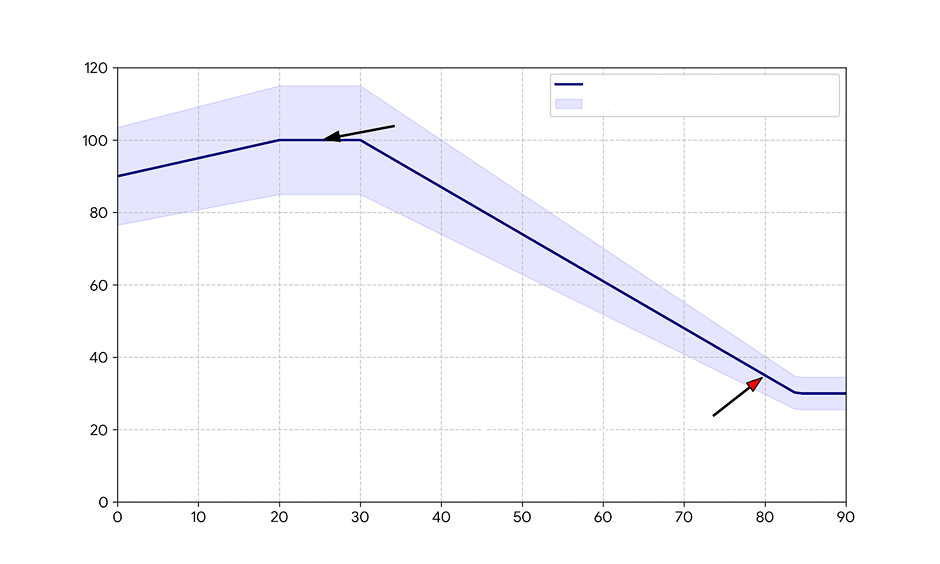
NAD levels typically peak between the ages of 20-30, and then gradually decline. By the time you reach your 70s and 80s, your NAD levels may have declined by up to 65%.
Bear in mind that peak NAD levels can vary from one tissue type to the next (e.g. muscle vs liver vs blood), and lifestyle factors like diet and physical activity levels can influence total NAD levels.
One recent cross-sectional study compared 3 groups of older adults: One group was exercise-trained, one had normal activity levels, and the third group was physically impaired. The research team found that NAD+ levels in the exercise-trained older adults were more similar to levels found in younger individuals, and that NAD+ abundance correlated positively with the average number of steps taken per day and the functional health of mitochondria and muscle, both indicators of overall physical fitness. By contrast, they found NAD+ levels in impaired older adults to be signficantly lower.
Key Roles and Mechanisms of NAD+
NAD+ is a vital metabolite that plays multiple roles in human health. NAD+ depletion has been linked to accelerated markers of aging and neurodegenerative disorders like Alzheimer’s and Parkinson’s disease. Research on NAD+ has exploded over the past decade, and scientists continue to unlock new discoveries on the vital properties of NAD+.
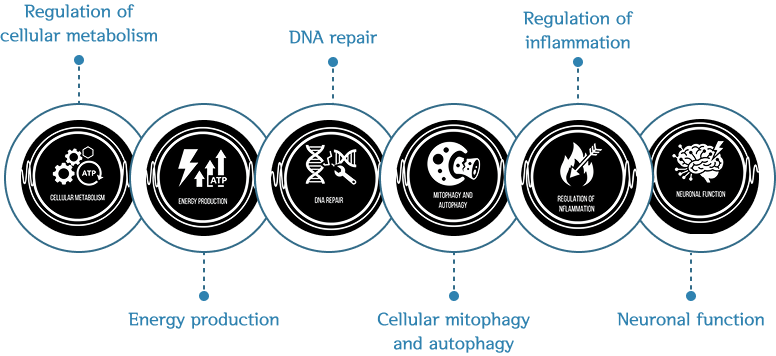
Major biological processes linked to NAD+ include:
- Regulation of cellular metabolism: Human biology is driven by millions, perhaps even trillions, of cellular processes, each designed to play a distinct role in human health. Without NAD+, your cells could not function.
- Energy production: NAD⁺ is essential in cellular respiration, shuttling high-energy electrons from catabolic reactions to the electron transport chain for ATP synthesis.
- DNA repair: NAD+ serves as an essential substrate for key enzymes involved in detecting, signaling, and repairing DNA damage – a vital function for preventing mutations, cell death, cancer, and age-related decline.
- Cellular mitophagy and autophagy: NAD+ plays a pivotal role in regulating autophagy (the process of degrading and recycling damaged cellular components) and mitophagy (a selective form of autophagy that helps to clear dysfunctional mitochondria). This is vital for maintaining mitochondrial quality, cellular homeostasis, energy production, and resilience against stress and aging.
- Regulation of inflammation: NAD+ acts as both a regulator that can suppress excessive or chronic inflammation, and a molecule whose decline fuels inflammatory processes. NAD+ helps to regulate chronic low-grade inflammation associated with aging and metabolic disorders.
- Neuronal function: NAD⁺ plays a multifaceted role in protecting and supporting neurons – cells of the brain and nervous system that have high metabolic requirements. NAD+ helps to maintain neuronal structural integrity, synaptic plasticity, and resilience.
What Causes NAD Depletion?
As we age, diminishing NAD+ levels contribute to the decline of multiple biologic processes, slowing us down, making us weaker and more frail, and increasing our risk of cognitive disorders.
One of the dominant drivers of NAD+ depletion is consumption by NAD-degrading enzymes, most notably CD38, PARPS, SARM1, and sirtuins. These destructive enzymes consume pools of NAD+ faster than the body can replenish them. At the same time, the body’s ability to regenerate NAD+ weakens over time.
Other contributing factors to NAD+ depletion include reduced mitochondrial efficiency, and metabolic disorders such as obesity, diabetes, and diets high in sugars, carbohydrates, ultra-processed foods, and seed oils. Tissue-specific changes in the muscles and liver can alter local enzyme expression, elevating NAD+ consumption.
Symptoms of low NAD include:
- Fatigue and lethargy.
- Difficulty concentrating, memory issues, and feeling mentally drained.
- Irritability, anxiety, and symptoms of depression.
- Dull inelastic skin.
- Weakened immune system.
- Increased risk of metabolic disorders.
- Prolonged post-exercise recovery
- Poor sleep quality.
How to Boost NAD Levels
While aging is a fact of life, you have a lot of control over how well you age, and your quality of life as the years go by.
Dietary Factors
Animal proteins are high in niacin, the primary precursor to NAD+. Cold water fish like tuna, salmon and sardines contain high levels, as do beef liver, pork and lamb. Peanuts and portobello mushrooms are also good plant sources. Increasing your dietary intake of niacin-rich foods will also help to support muscles, skin, hair, and connective tissues as you age.
Physical Activity
Regular physical activity helps maintain mitochondrial health and boosts your body’s production of NAD+. In essence, the more you move, the more energy you have, the more you can move. Mix cardiovascular activities like walking or swimming with regular resistance training for healthy bones, joints, muscles and connective tissues.
Supplementation
Supplementing with NAD+ precursors will supply your body with extra building blocks for NAD+ synthesis. Supplements come in a number of forms, including pills and tablets, sublingual drops, dermal patches, and injectables.
Direct delivery of NAD+ via IV infusion is a convenient way to quickly boost NAD+ levels, circumventing the digestive tract and preserving potency. Regular NAD+ IV therapy can help you maintain optimal NAD+ levels for ongoing health and wellness.
Get the Best NAD IV Therapy in SoHo NYC
NAD+ synthesis naturally declines with aging, sapping your energy and impacting your quality of life. Supplementation via IV therapy is a convenient and effective solution for elevating cellular NAD+ levels, helping you to live your best life, year after year. At Invita Wellness, we work closely with you to find the right blend of nutrients to meet your needs. Contact Invita today, and reap the benefits of NAD+ for health, wellness and longevity.
Disclaimer: NAD+ therapy at InVita Wellness is provided for general wellness, vitality, and longevity support. It is not a treatment for disease or a substitute for medical attention. All services are supervised by medical professionals, and products are sourced from US-licensed pharmacies.
Get Fuller, Healthier Hair in NYC
contact InVita Wellness today
Book Now
456 Broadway 2 Floor, New York, NY 10013, USA
Resources
Janssens, Georges E., et al. “Healthy aging and muscle function are positively associated with NAD+ abundance in humans.” Nature Aging 2.3 (2022): 254-263.
[PDF] maastrichtuniversity.nl
Lautrup, Sofie, et al. “Roles of NAD+ in Health and Aging.” Cold Spring Harbor Perspectives in Medicine 14.1 (2024): a041193.
[PDF] cshlp.org