Reviewed by the InVita Wellness Clinical Team
A wider part. Less weight through the mid-lengths. More strands in the drain than you remember. If that is what brought you here, the useful first question is not which product to buy. It is what changed.
Peptides for hair growth have attracted a lot of attention as a modern, medically informed approach. Some of that attention is earned. A good deal of it is packaging. The category covers everything from cosmetic serum ingredients with no clinical evidence to compounds with real controlled human data behind them, and the word peptide on a label tells you nothing about which end of that range you are looking at.
What follows covers which peptides have meaningful evidence, what that evidence actually shows, how they are delivered, and what a realistic outcome looks like. InVita Wellness has been serving clients in SoHo for more than ten years, and the starting point here is the same as in the clinic. Understand why hair is changing before deciding how to address it.
Quick Answer
- Peptides are short chains of amino acids that act as signaling molecules, including in the scalp. Evidence varies enormously between them, so peptides for hair growth is a marketing umbrella rather than one treatment.
- Copper peptides, particularly GHK, have the most human data, and even that is one small controlled trial of a combination product.
- No peptide is FDA approved for hair growth. Minoxidil and finasteride remain the only approved pharmaceutical options for androgenetic alopecia.
- Peptides are best understood as supportive, most useful when the cause of thinning has been identified and when they sit alongside treatments with stronger evidence.
- Delivery is usually a topical serum, sometimes supported by light therapy and nutritional infusion. Assessment comes before any of it.
Medical Disclaimer
This article is intended for informational purposes only and does not constitute medical advice. Individual results vary. Please consult a qualified healthcare provider before beginning any hair-restoration program.
Why Hair Changes After 45
Density does not drop overnight. It shifts, and it shifts for reasons that differ from one person to the next. Which is exactly why the same serum produces a result for one person and nothing for another.
- Genetics, the largest driver of pattern-related thinning in both men and women
- Hormonal change, including falling estrogen through perimenopause and menopause, and androgenic activity that shrinks follicles over time
- Age-related shortening of the growth phase and changes in follicle sensitivity
- Nutritional gaps, particularly iron, zinc, biotin and protein
- Stress, both acute and chronic, which can push follicles into shedding out of sequence
- Illness and recovery, including the diffuse shedding many people noticed months after COVID infection
- Scalp condition, meaning inflammation, sebum imbalance and poor circulation
- Medications and health conditions, including thyroid disease and autoimmune conditions
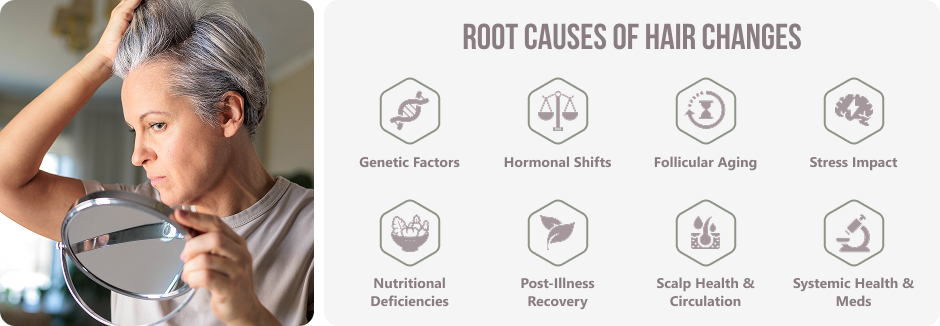
Thinning is a symptom rather than a diagnosis. Sudden diffuse hair shedding after an illness or a stressful period behaves differently from gradual pattern thinning, and the two respond to different things. Identifying which one is in front of you is what makes any treatment meaningful.
What Changes for Women Specifically
Hair loss is discussed as though it were mainly a male problem, which does not match who actually walks into a clinic. Roughly half of women experience noticeable thinning by their mid sixties, and the pattern differs.
Where men typically lose at the temples and crown, women more often see diffuse thinning across the top with a widening part and the hairline preserved. The timing is also different. Through perimenopause and after menopause, estrogen falls while the relative influence of androgens rises, which shortens the growth phase and shrinks follicle diameter. Many women describe several years of compressed change rather than a slow slide across two decades.
For women presenting with diffuse thinning in their early fifties, iron and ferritin, thyroid function and hormonal factors may be worth discussing with a qualified healthcare provider. Low ferritin in particular is common, correctable, and frequently overlooked.
That has a practical consequence worth knowing before any consultation. For women presenting with diffuse thinning in their early fifties, iron and ferritin, thyroid function and hormonal factors may be worth discussing with a qualified healthcare provider. Low ferritin in particular is common, correctable, and frequently overlooked.
How Peptides May Support Hair Growth
Peptides are short chains of amino acids, effectively small fragments of proteins. What makes them interesting therapeutically is that they act as signaling molecules, carrying instructions to cells.
In hair specifically, certain peptides are studied for their potential to extend the active growth phase, support circulation in scalp tissue, influence the growth factors that govern follicle behavior, reduce inflammation in the follicular environment, and interact with copper-binding pathways involved in tissue repair.
The operative word is potential. These are genuinely relevant biological pathways. A relevant mechanism is not the same thing as a proven treatment, and the distance between those two is where most of the marketing in this category lives.
Hair Growth Peptides at a Glance
Peptide
Intended goal
Delivery
Human evidence
Key limitation
GHK / GHK-Cu
Follicle activity, reduced inflammation, longer growth phase
Topical serum
One controlled trial of a GHK combination, plus laboratory work
The trial tested a combination product, not GHK alone
AHK-Cu
Dermal papilla cell proliferation, follicle elongation
Topical
Ex vivo and in vitro only
Frequently confused with GHK-Cu in marketing copy
PTD-DBM
Wnt pathway activation to stimulate follicle growth
Topical, research stage
Animal work and early human research
Not clinically available
Thymosin beta-4
Follicle stem cell activation
Topical or investigational injectable
Predominantly animal studies
No human trial support for hair
Biotinoyl tripeptide-1
Support follicle anchoring proteins
Cosmetic serums
Cosmetic-grade evidence only
Regulated as a cosmetic, not established as a therapy
None of these is FDA approved for hair growth. Minoxidil and finasteride remain the only approved pharmaceutical treatments for androgenetic alopecia, and that is the correct benchmark to hold everything else against.
FDA NOTE:
FDA approval varies by treatment, formulation, indication and patient population. Minoxidil has FDA-approved hair-loss indications, while finasteride is FDA approved for male pattern hair loss in men. Peptide-based products are not FDA approved specifically for hair growth.
GHK and Copper Peptides, the Most Studied Option
What it is
GHK is a naturally occurring tripeptide, glycyl-histidyl-lysine, found in human plasma at concentrations that fall with age. Bound to copper it becomes GHK-Cu. Pickart’s reviews document its influence on wound repair signaling, collagen synthesis and inflammatory pathways, which is why it appears in skin products as often as in hair products.
One clarification that matters if you are comparing products. GHK-Cu and AHK-Cu are different peptides and they are routinely treated as interchangeable in marketing copy. They are not. Check which one a serum actually contains.
What the human evidence shows
The best controlled human data comes from a 2016 trial in Annals of Dermatology. Forty-five men with pattern hair loss were randomized to one of two concentrations of a complex combining 5-aminolevulinic acid with GHK peptide, or to placebo, applied once daily for six months. Hair count rose by 52.6 and 71.5 in the two active groups against 9.6 on placebo. Both active results were statistically significant and no adverse events were reported.
Two caveats belong with that, and any clinic quoting the study should give you both. It tested a combination product, so it cannot tell you what GHK does on its own. And the authors’ own conclusion was deliberately modest, that the complex may be considered as one complementary agent, not as a replacement for established treatment.
The other frequently cited paper is Pyo and colleagues in 2007. It found that AHK-Cu stimulated elongation of human hair follicles ex vivo and proliferation of dermal papilla cells in vitro, using 240 follicles from three volunteers. It is a mechanistic study on a different copper peptide, and it is worth knowing that it is often cited as though it were a GHK-Cu clinical trial. It is neither.
A note on one claim you will encounter. Several sites state that copper peptides matched minoxidil in head to head testing. No published trial supports that. Treat it as a marketing claim until someone can name the study.
Evidence level, honestly stated
Limited but promising for topical scalp application, with stronger evidence than many other peptide-based approaches but well short of established pharmaceutical options. Most likely to help as part of a broader strategy rather than on its own.

How Hair Growth Peptides Are Administered
Delivery matters here more than in most categories, because the follicle sits several millimeters below the scalp surface and the skin barrier is designed to keep things out.
Method
What it involves
Setting
Consideration
Topical serum
Applied to the scalp like any leave-in treatment, no discomfort
Home, usually daily
The skin barrier limits how much reaches the follicle. Consistency over months matters more than concentration
Light therapy support
LED or infrared applied to the scalp in clinic, comfortable, no downtime
In-clinic
Studied for its potential effects on circulation and the follicular environment, with an evidence base separate from peptides
Nutritional infusion
IV delivery of selected micronutrients used within some wellness protocols
In-clinic
May be considered when nutritional status is part of the overall assessment. Nutrient deficiencies should be appropriately evaluated
Microneedling-assisted delivery
Fine needles create micro-channels before a topical is applied
In-clinic, offered at some dermatology and aesthetic practices
Not part of the InVita protocol. Mentioned here because you will encounter it elsewhere
Scalp mesotherapy
A series of shallow injections into the scalp
In-clinic, offered at some practices
Not offered at InVita. More direct delivery does not automatically mean a better outcome
The right method depends on the compound, the scalp, the degree of thinning and the clinical goal. A clinician should guide that choice, and a clinic should be straightforward about which methods it actually performs.
Peptides Against Better Established Treatments
Understanding where peptides fit requires an honest comparison, including with things InVita does not provide.
Treatment
Evidence
FDA status
Notes
Minoxidil
Strong
Approved for androgenetic alopecia
First-line. Decades of human data
Finasteride, dutasteride
Strong in men
Finasteride approved
Prescription, targets the DHT pathway. Not used in women of childbearing age
Platelet-rich plasma
Moderate
Not approved as a drug, cleared devices exist
Uses your own growth factors. Growing evidence base. Not offered at InVita
Microneedling
Moderate
Not approved for hair specifically
Studied as an adjunctive approach in androgenetic alopecia. Microneedling devices are not FDA-cleared specifically for hair loss or for use with topical products. Not offered at InVita
Low-level light therapy
Moderate
Cleared devices available
Suited to mild to moderate thinning, often combined with other approaches
Peptide-based approaches
Early to moderate, varies by peptide
Not approved for hair
Supportive or adjunctive. Not a first-line standalone treatment
Nutritional correction
Strong where a deficiency exists
Not applicable
Only helps if there is something to correct, which is why testing precedes it
The honest summary
The most convincing evidence for androgenetic alopecia is for minoxidil and the approved prescription treatments. Peptides are best used in conjunction with those treatments, to support the scalp environment and health of the follicles.
What Results Are Realistic
Regardless of the treatment, hair restorations take time, as hair follicles grow over a period of months. It’s important to set the time frame truthfully.
The realistic expectations of a peptide-supported approach are an improvement in the condition of the scalp, a decrease in the amount of hair loss in certain individuals, a slight increase in density or quality of hair in combination with proven treatments, and the support of the follicles that remain before further miniaturization occurs.
Realistic Time Frame for Hair Restoration
Regardless of the treatment, hair restoration takes time as follicles follow a multi-month growth cycle. Setting realistic expectations is key to long-term success.
The underlying cause, the degree and duration of thinning, the type of compound used, uniformity, the presence of other therapies, and overall nutrition and hormones are all factors that determine the outcome.
Regarding timing, a meaningful assessment is made at 3-6 months, and additional improvement is achieved by 9-12 months. The first signs of early changes are typically a decrease in shedding or improved scalp health, before a noticeable decrease in density. That is a reflection of the biology of follicles and not a product promise
What Peptides Cannot Do
- They cannot regrow the hair from a lost follicle. Scarring alopecia damages the follicle and topicals will not regenerate what has been lost
- They are not capable of reversing an advanced pattern baldness. If miniaturization is well advanced, the conversation is about the approved pharmaceutical treatments and surgical options
- They are not a substitute for correcting a deficiency. If the shedding is due to low ferritin or thyroid disease, a serum will not affect the condition, it will only work around it
- They can’t alter the hormonal change of menopause. They can help the follicular environment during that transition which is another and a smaller claim
- There is no published trial that states otherwise, and they cannot beat minoxidil or finasteride in evidence
- They are not able to grow faster than the hair cycle. Anything that has been evaluated within the last three months is not telling you much
Who Is a Candidate
If an adult is experiencing any of the following, a peptide-based approach may be considered as part of a broader hair wellness plan after appropriate evaluation.
- The decrease in density over a period of time or an area that has expanded
- Finer, more fragile, or slower growing hair than before
- Thinning in early or mild pattern-related thinning
- Diffuse hair loss after illness, stressful periods or COVID infection
- Thinning after menopause or during perimenopause when the change has been greater than that which can be explained by lifestyle changes
- When hair changes for no apparent reason or when a person wants to enhance their treatment
Target Candidates for Peptide Evaluation
Gradual Density Loss
Progressive overall thinning or an expanding bare area over time.
Post-Stress or Post-Illness Shedding
Diffuse hair loss triggered by illness, acute stress, or COVID infection.
Fragile & Slow Growth
Hair that feels finer, breaks easily, or grows slower than before.
Hormonal & Menopausal Shifts
Thinning during perimenopause or menopause unrelated to lifestyle.
Early Pattern Thinning
Initial or mild signs of pattern-related hair loss.
Unexplained Changes & Optimization
Unexplained hair quality shifts or a desire to enhance ongoing treatments.
Who Should Not Start With Peptides
In some cases peptides are not the first choice, and in some cases, the delay is harmful.
- Hair loss that is sudden, unexpected or rapid
- Sparse loss (may be an autoimmune disease like alopecia areata)
- Scalp symptoms such as severe inflammation, pain, scarring or scaling
- Hair loss with an untreated medical condition, especially thyroid disorders or anemia
- Known copper metabolism disorders, for copper peptide products specifically
See a physician before a wellness consultation if
Hair loss is in patches or clumps, scalp feels painful, there are smooth shiny patches where the follicles seem to be missing, loss is rapid in weeks, or loss occurs when feeling tired, losing weight, or experiencing new irregularity of the menstrual period. Scarring alopecia in particular is time-sensitive, as follicles’ misfortune to scarring will not come back. These do not require a serum, but are assessed medically.
Are Hair Growth Peptides Safe
Peptide is not a word for gentle or risk free. Safety is related to the compound, its formulation, the route of administration and the clinical situation.
Most peptide cosmetic serums are safe to use as topical products, and may cause irritation or sensitivity. Injectable or compounded formulations require much more caution. Compounded drugs are not FDA approved and the FDA does not review them for safety, effectiveness or quality before they are marketed.
The regulatory categories are good to be separated. The drug has been tested for safety and effectiveness in a particular indication and has been approved by the FDA. Off-label use is the use of an approved compound to a new indication, and is acceptable with informed consent. A cosmetic ingredient is not regulated for therapeutic purposes. A therapy is currently being researched. The majority of the peptides in hair are in the third category and a few are in the fourth.
There is a real risk with products purchased online without clinical advice, with poor quality being just one of the problems, to the fact that they may be used when there is another cause for the hair loss.
The Hair Vitality Protocol at InVita
InVita’s approach to hair is the Hair Vitality Protocol, a five week program combining in-clinic sessions with home treatment. It is a wellness protocol addressing nutrient status, oxidative stress, scalp condition and follicular function, and it is not a treatment for advanced pattern baldness.
What each week involves
A targeted Hair Vitality IV nutrient infusion, developed as part of InVita’s broader Hair Vitality Protocol, containing vitamin C, magnesium, zinc and copper, the amino acids arginine, citrulline, lysine and proline, B-complex with biotin, and glutathione. The protocol may also include CoQ10 and vitamin D, when appropriate based on individual assessment.
Infrared and LED light therapy is incorporated across all five in-clinic sessions. At home, a GHK-Cu topical serum is applied daily through the five week supply.
Sessions run 45 to 60 minutes at the SoHo location and you can return to work immediately afterward. The minimum course is five sessions at 360 dollars each, with no substitutions.

1
PRIMARY DAY: IV INFUSION
Hair Vitality IV Nutrient Complex (B-complex, biotin, amino acids, glutathione)

2
WEEKLY SUPPORT: CoQ10
Coenzyme Q10 and Vitamin D injection
3
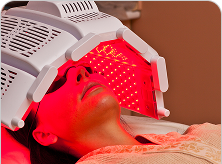
IN-CLINIC SESSION: LIGHT THERAPY
LED and Infrared therapy (5 sessions)
4
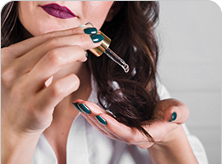
HOME CARE: GHK-Cu SERUM
Daily use of GHK-Cu serum
Assessment first
Before any of it, the consultation covers your concerns, timeline, family history, health history, medications and current routine, alongside an assessment of pattern, density and scalp condition. Where nutritional status looks like a contributor, that gets tested rather than assumed, and vitamins for hair, skin and nails may be addressed on their own before anything else is considered.
If the picture points somewhere else, meaning scarring alopecia, an autoimmune process, thyroid disease or advanced androgenetic alopecia needing pharmaceutical treatment, you will be told that and pointed toward the right specialty. The protocol is a good fit for a particular set of problems and a poor fit for others.
What clients report
Individual experiences vary. Some clients report changes in shedding, hair texture and manageability over time. These observations are subjective and should not be interpreted as guaranteed outcomes.
Frequently Asked Questions
Do peptides actually regrow hair?
Honestly, the accurate answer is more limited than most pages will tell you. Some peptides have shown they can support follicle activity and scalp condition in human studies, and one controlled trial of a GHK combination did produce a significant increase in hair count over six months. But no peptide is FDA approved to regrow hair, the human evidence base is small, and results depend heavily on which peptide, how it is delivered, what is causing the thinning, and whether anything else is running alongside it.
What is the best peptide for hair growth?
GHK, the copper-binding tripeptide, has the most peer-reviewed human evidence of the peptides studied for hair. That said, best is doing a lot of work in that question. The right choice depends on what type of thinning you have and what is driving it, which is why assessment comes before product selection. A peptide that suits diffuse shedding after an illness is not the answer for advanced pattern baldness.
Do copper peptides help with hair growth?
The evidence is genuinely promising and genuinely limited, and both halves matter. Laboratory work shows copper peptides stimulate dermal papilla cells and extend follicle growth, and a 2016 randomized trial of a GHK complex in 45 men showed a significant hair count increase over six months against placebo. What does not exist is a large trial of a copper peptide on its own. Anyone telling you copper peptides match minoxidil is citing a study that has not been published.
Are GHK-Cu and AHK-Cu the same thing?
No, and this trips people up constantly because both get sold as copper peptides. GHK is glycyl-histidyl-lysine, AHK is alanyl-histidyl-lysine. Different molecules, different research behind them. The frequently cited 2007 follicle elongation study used AHK-Cu, while most product marketing quotes it as GHK-Cu evidence. Check the ingredient list rather than the headline.
How are peptides administered for hair loss?
Most often as a topical scalp serum applied daily at home, which is the route with the most supporting evidence. Some clinics use microneedling to assist delivery, and some use scalp mesotherapy, meaning shallow injections. At InVita the peptide component is a topical GHK-Cu serum, supported in clinic by light therapy and nutritional infusion rather than by needling.
Does InVita inject peptides into the scalp?
No. Scalp mesotherapy is a recognized approach in the field, but it is not part of the Hair Vitality Protocol. The injections in the protocol are CoQ10 and vitamin D, which support mitochondrial function and immune status systemically rather than being delivered into the scalp.
Can peptides help with hair loss during menopause?
They can be part of the picture, though rarely the whole of it. Thinning through perimenopause and after menopause is driven by falling estrogen and the shifting balance with androgens, and a topical peptide does not change that. The rationale for topical peptides in this setting is to support the scalp environment and follicular health while the underlying hormonal and nutritional situation is appropriately assessed. Ferritin, thyroid function and hormonal factors are worth raising with a qualified healthcare provider.
Can peptides be combined with minoxidil?
They can be used alongside minoxidil in some cases. Minoxidil has the established evidence base for androgenetic alopecia, and certain peptides may support the scalp environment alongside it. Which combination makes sense for you should come from a provider who has looked at your specific situation.
How long does peptide hair treatment take to work?
Hair grows in cycles, so meaningful change takes months. Most clinicians assess at three to six months, with continued improvement possible through nine to twelve. Early on you are more likely to notice reduced shedding or better scalp condition than any visible change in density. That sequence is normal and it reflects how follicles cycle.
Are peptides FDA approved for hair growth?
No peptide is currently FDA approved specifically for hair growth. Minoxidil and finasteride remain the only approved pharmaceutical options for androgenetic alopecia. Peptide-based products sit across several regulatory categories, from cosmetic ingredient to off-label medical use to investigational compound, and that distinction is worth understanding before evaluating any program.
Start With Your Hair, Not With a Product
A hair plan should begin with what is actually happening on your scalp and in your bloodwork, not with whichever ingredient is having a moment. If thinning has been gradual, if shedding followed an illness or a stressful stretch, or if the change has accelerated through menopause, an assessment will tell you more in one visit than months of trial and error.
Continuity matters here too. The protocol is built as a five week course with a five session minimum, and results are assessed over months rather than weeks, so it is worth planning for the full course rather than a single visit. Book a consultation and bring any recent bloodwork with you.
Start With Your Hair, Not With a Product Hair Vitality Protocol
contact Invita wellness today
Book Now
456 Broadway 2 Floor, New York, NY 10013, USA
InVita Wellness is a longevity and wellness destination in SoHo, New York City, now in its second decade, serving clients from Manhattan, Brooklyn, New Jersey and the surrounding commuter area.
This article is intended for informational purposes only and does not constitute medical advice. Individual results vary. Please consult a qualified healthcare provider before beginning any hair-restoration program.
References
- Lee WJ, Sim HB, Jang YH, Lee SJ, Kim DW, Yim SH. Efficacy of a complex of 5-aminolevulinic acid and glycyl-histidyl-lysine peptide on hair growth. Ann Dermatol. 2016;28(4):438-443. PMID: 27489425
[PubMed]
- Pyo HK, Yoo HG, Won CH, et al. The effect of tripeptide-copper complex on human hair growth in vitro. Arch Pharm Res. 2007;30(7):834-839. PMID: 17703734
[PubMed]
- Pickart L, Vasquez-Soltero JM, Margolina A. GHK peptide as a natural modulator of multiple cellular pathways in skin regeneration. Biomed Res Int. 2015;2015:648108. PMID: 26236730
[PubMed]
- Pickart L, Margolina A. Regenerative and protective actions of the GHK-Cu peptide in the light of the new gene data. Int J Mol Sci. 2018;19(7). PMID: 29985355
[PubMed]
- Gentile P, Garcovich S. Systematic review of platelet-rich plasma use in androgenetic alopecia compared with minoxidil, finasteride, and adult stem cell-based therapy. Int J Mol Sci. 2020;21(8):2702. PMID: 32295047
[PubMed]
- Dhurat R, Sukesh M, Avhad G, et al. A randomized evaluator blinded study of effect of microneedling in androgenetic alopecia. A pilot study. Int J Trichology. 2013;5(1):6-11. PMID: 23960389
[PubMed]
- Avci P, Gupta GK, Clark J, Wikonkal N, Hamblin MR. Low-level laser (light) therapy (LLLT) for treatment of hair loss. Lasers Surg Med. 2014;46(2):144-151. PMID: 23970445
[PubMed]
- Goldberg LJ, Lenzy Y. Nutrition and hair. Clin Dermatol. 2010;28(4):412-419. PMID: 20620758
[PubMed]
- Trueb RM. The impact of oxidative stress on hair. Int J Cosmet Sci. 2015;37 Suppl 2:25-30. PMID: 26574302
[PubMed]